How to Make a Gift Basket Feel Deeply Personal and Thoughtful?
Let’s face it: gift-giving can feel like navigating a minefield of expectations. You want your gift to scream, "I know you!"—not just, "This was the cheapest thing I could find at Target." A generic basket full of scented candles and gourmet crackers is nice, but it rarely lands with the emotional thud that says, "You were truly seen." The effort required to move beyond the superficial is daunting, which makes asking how to make a gift basket feel deeply personal and thoughtful? an incredibly common dilemma.

The truth about great gifting isn't found in the dollar amount or even the quality of the items; it’s found in the narrative. It's about demonstrating that you paid attention—to their favorite obscure brand, the way they sigh when they finally settle down at night, or the inside joke only your mutual friends understand. If a gift basket is a message, we need to ensure the language speaks directly to the recipient’s soul, not just their taste in soap.
The Art of Observation: Becoming a Gift Detective
Before you even think about buying a single item, you must change your approach from that of a shopper to that of an anthropologist studying your friend's lifestyle. You are doing reconnaissance. To make a gift basket feel deeply personal and thoughtful?, start by observing the recipient’s patterns, not just their possessions.
What do they complain about? Are they always cold on their morning commute? That suggests a need for quality socks, a fancy thermos, or perhaps a weighted blanket. Do they spend hours in their garden? Think tools that elevate the experience, not just more things to collect dust on.
Consider this: Instead of asking friends, "What should I get them?" try collecting anecdotes from people who interact with them regularly. Did your college roommate mention how much they miss the smell of rain? That’s a key piece of data! An anecdote like that—the simple mention of needing better coffee beans because their current stash is gone—can guide you to a specific, perfect brand. We are looking for evidence of need and desire.
Curating Experiences Over Objects
The biggest mistake most people make is treating the basket like a collection of standalone items. This makes it feel transactional. To elevate the thoughtfulness, you must curate an experience. The gift shouldn't just be things; it should be moments waiting to happen.
Instead of grouping "relaxing" items (candle + bath bomb), group items that facilitate a specific activity—a self-care ritual. For example: A novel paired with a specialty tea, a soft reading light, and a bookmark featuring local art. This suggests an evening dedicated entirely to quiet time. You are giving them permission to slow down.
Another powerful move is incorporating consumables tied to memories. If your friend loves Italian food, include ingredients for making a specific dish that you both once cooked together, rather than just buying a jar of pesto. This transforms the gift from stuff into shared history. Think about how items can act as time machines. ? Why settle for generic luxury when you can deliver nostalgia?
The Power of Presentation: Telling a Visual Story
The physical presentation is where all your deep research and careful curation come together to create an emotional impact. It’s the difference between opening a nice box and unwrapping a memory.
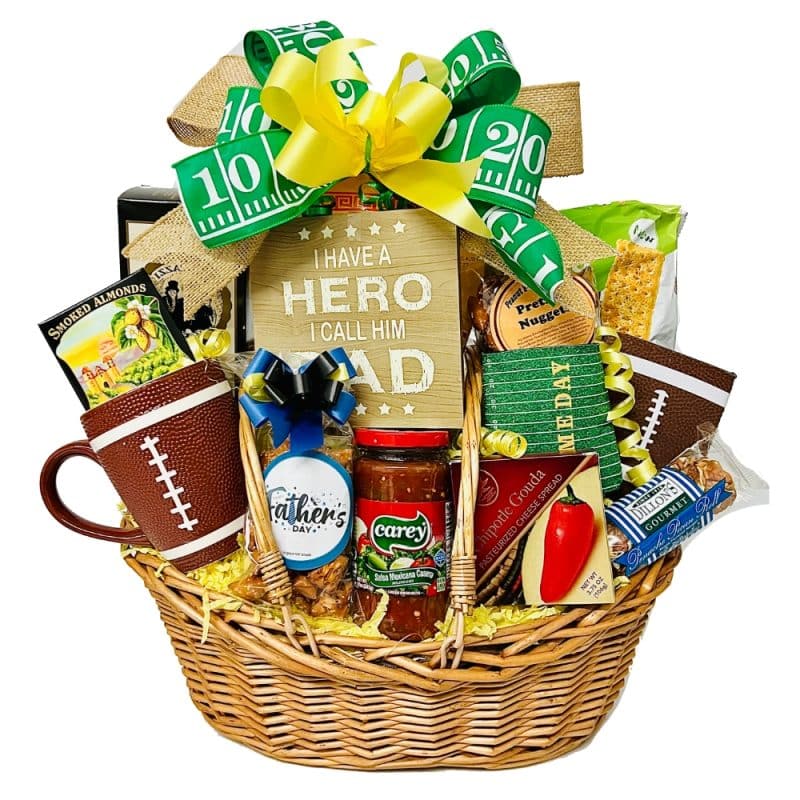
Skip the cheap cellophane wrap. Invest in a reusable, beautiful container—a wooden crate, a galvanized metal bucket, or even a vintage book that serves as the base. This instantly signals quality and thought. The way you arrange things matters just as much as what you include. Don't simply dump items into a box; nestle them. Use tissue paper in muted colors (cream, moss green) to build pockets of visual interest.
Remember the rule of odd numbers. Grouping objects in threes or fives feels naturally more balanced and appealing than pairing everything up. Every time you carefully place an item, visualize the moment they open it. What is the first thing their hand will reach for? That should be your "wow" factor piece—the anchor gift that ties the whole narrative together.
As Maya Angelou wisely said, "People will forget what you said, people will forget what you did, but they will never forget how you made them feel."
This quote serves as a powerful reminder: no matter how many expensive items are inside, the feeling of being understood is the ultimate currency. Mastering the art of making a gift basket feel deeply personal and thoughtful? requires treating it less like shopping and more like emotional architecture.
Connecting Gifts to the Recipient’s Unique Narrative
To move beyond surface-level thoughtfulness, you need to treat your friend's life story as your primary reference guide. This is where light humor can shine through. If they are perpetually stressed by their job, don't just give them calming lavender oil—give them a "Do Not Open Until Vacation" note attached to the basket, which includes movie tickets or Take a look at the site here plans for an escape.
If you struggle with this level of personalized detail, remember that sometimes the most thoughtful gift is one that challenges them. Perhaps they always say they want to learn guitar but never buy lessons. Include a beginner's book and a voucher for a single introductory lesson. It’s not just the object; it’s the gentle nudge toward self-improvement.
How can you incorporate the theme of shared adversity? If you both went through a tough time, build the basket around "survival" items—gourmet comfort food, strong coffee, and books about resilience. These gifts aren't just nice; they are acknowledgments of shared strength. Ultimately, making a gift feel deeply personal and thoughtful requires vulnerability: acknowledging what makes them them.
Cultivating Future Moments of Connection
The best gifts don't end when the wrapping paper is discarded. They are catalysts for future moments together. When you plan your next thoughtful basket, consider how it could lead to an activity you can share. Is there a recipe in the basket that requires two people to make? Does the book require a discussion afterward?
Think of yourself not as a gift-giver, but as an architect of joy. Your goal is not merely Grandfather to give objects; it is to build anticipation and set the stage for laughter, quiet contemplation, or deep conversation down the line. By focusing on the next moment—the shared coffee date, the planned evening in—you ensure that your gift serves a purpose far beyond its initial unwrapping. What experiences can you engineer next?
Ultimately, whether it’s a $20 basket or a $200 one, the deepest connection is forged by showing genuine curiosity about another human being's interior life. Start listening more intently, and let those overheard conversations be your greatest treasures.